_e.jpg)
Ways to Prevent Eating Disorders in Sports
-
Educating Children on Healthy Eating: This primarily occurs through parents and guardians, but not using dieting or negative talk about body shapes and sizes can promote a good foundation for a child to have a healthy relationship with food.
-
Instilling Positive Body Image: By encouraging kids, and especially teenagers, that their bodies don’t need to be changed for them to feel good about themselves. Debunking the idea that there is an ‘ideal body type/shape’ is a great start. In addition, it shows teenagers that their self-worth and self-esteem should not be connected with what they look like in the mirror or what they weigh.
-
Addressing Any Underlying Issues: Many factors can contribute to an individual's development of a disorder, and addressing any mental health issues that could be contributing to that disorder is crucial. If there’s a problem and the root of the problem isn’t addressed, then the issue might persist.
-
Creating a Supportive Environment: When kids feel safe in the environment their parents have created at home, they are more likely to share when they are struggling mentally. This eliminates any anxiety around asking for help or stigma around eating disorders or mental health issues.
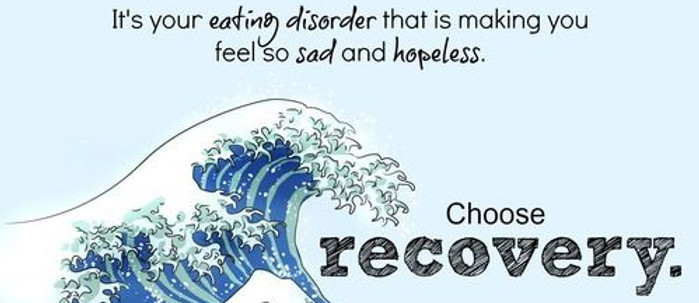
No Matter How Hard it is, Recovery is Possible.
Education on how eating disorders begin and what their warning signs are crucial for coaches, not only for their sake but also so they can educate their athletes on how to have a healthy relationship with food. If coaches are educated on eating disorders, they can warn their athletes on how much of a negative impact having an eating disorder can have on not only their personal lives but also how it impacts their performance in their sport.
The influence coaches have over their team is also just as important, they create the team culture. If a coach is talking negatively about one athletes body then other athletes will think that is acceptable behavior and in turn replicate that behavior. In addition, coaches are essential in building an athletes self-esteem, since they are an adult figure that is not their parent the coaches opinion on them means more to them because they don't feel as though they're obligated to build the athletes self-esteem up. This is a great power that can easily be abused, so it's important for coaches to check their power.
2
Parents
Kids and athletes learn their future eating habits from their parents. This can be particularly problematic in households prone to feeding into diet culture. When children are growing up, they watch the relationship their parents have with food, and then they mirror that relationship in their own lives. If the parents count calories or label specific foods as unhealthy, the child will grow up believing that counting calories is good and eating those foods is 'bad.'
In social media today there has been a rise in recognizing moms who force diet culture onto their children and internally wiring their children to be conscious of the calories the child is intaking: almond moms. These types of parents instill a cloud of anxiety and fear surrounding eating. Almond moms are moms who hyper-focused on dieting and being thin and continues to comment negatively on their child's eating patterns throughout the child's life This makes a person more vulnerable to a child attempting to "fix" their body insecurities through disordered eating. These types of parents are some of the biggest determining factors in whether a child will be more susceptible to developing disordered eating, because the child will lose weight to try and make their parent proud of them.
Parents are the most important support figure a child and especially an athlete needs in their life. With them supporting their children and instilling healthy eating habits and fostering a healthy relationship with food a child is less likely to develop an eating disorder.
3
4
Coaches
Works Cited
-
“About Eating Disorders; What You Can Do to Help Prevent Eating Disorders.” The Eating Disorder Foundation. Prevention - The Eating Disorder Foundation. Accessed 21 April 2024.
-
Nickols, Riley. “The Potential Role of the Coach.” NEDA: Feeding Hope. Potential Role of Coaches and Eating Disorders- NEDA (nationaleatingdisorders.org) Accessed 21 April 2024.
-
Scaglioni, Silvia et al. “Factors Influencing Children's Eating Behaviours.” PubMed Central. 31 May 2018. Factors Influencing Children’s Eating Behaviours - PMC (nih.gov). Accessed 21 April 2024.
-
Gilliand, Sarah. “What's an 'almond mom'? Is 'sittervising' a thing? Here's your guide to the latest parenting buzzwords.” AOL. 2 December 2022. What's an 'almond mom'? Is 'sittervising' a thing? Here's your guide to the latest parenting buzzwords (aol.com). Accessed 21 April 2024.